

By Sasha Alex Lessin, Ph.D., Anthropology, UCLA

200 BCE – 1500 CE: GRAN COCLÉ INDIANS, THOUGH STILL ENTHRALLED WITH ANUNNAKI DOMINATION CONSCIOUSNESS INHABITED PANAMA

At El Caño Archaeological Park (above), excavations led by Dr. Julia Mayo have revealed elite necropolises dating back nearly 300 years. Paramount chiefs were buried face down, accompanied by sacrificed retainers — sometimes over thirty individuals.
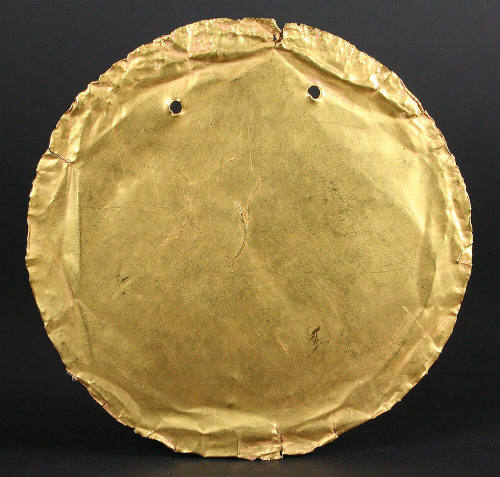
Among the El Caño, political and spiritual authority fused. An El Caño chief was ruler, shaman, and intercessor between worlds. Adorned in gold regalia made of tumbaga (a gold–copper alloy), symbolizing sacred authority, he interceded for his people among spiritual entities representing natural processes on which the El Caño depended: the bat, crocodile, shark, fish, and butterfly as well as hybrid humanoid and animal hybrids.

Bat: Night navigator. Cave-dweller. Underworld guide.

Crocodile: Amphibious threshold creature. Boundary guardian.

Other figures in gold

1500s–1700s: THE SPANISH USED GRAN COCLÉ INDIANS TO MINE SILVER & GOLD FOR IT’S COMPETITION WITH ENGLAND

Everything changed when Spain recognized the isthmus as a chokepoint. Silver from Peru crossed Panama en route to Spain. Panama became an imperial artery in which Spain subordinated the Gran Coclé regional polities, reorganized the Indians as laborers in their colony, stockpiled treasures, mined gold and silver they forced the Indians to gather, and fortified the transit routes for their gold and silver exports.
Panama’s Spanish masters organizedGran Coclé natives and African slaves to extract silver and gold and prepare it for shipment to Spain. Their labor structure was the Encomienda System.
THE ENCOMIENDA SYSTEM


Repartimiento & Forced Draft Labor
When Indigenous populations collapsed under disease and overwork, Spain shifted toward repartimiento (rotational forced labor drafts). Men were required to serve for set periods in mines or transport, receive nominal wages, and return to villages (often weakened or dead). Because Panama’s Indigenous population declined so rapidly, colonists increasingly imported enslaved Africans by the mid-1500s.
Indigenous groups such as the Guna (Kuna), Ngäbe, and others fled into the interior highlands and jungle zones, formed alliances with English privateers, engaged in guerrilla resistance, and practiced cultural concealment of their religious traditions. Some Native groups remained semi-independent for centuries.
THE CATHOLIC CHURCH IN PANAMA

Above, we see ruins of the Cathedral Tower (Torre de la Catedral) in Panamá Viejo among the remains of the original Panama City that English Pirate Henry Morgan destroyed in 1671. After the attack and subsequent fire, the Spanish abandoned this site and rebuilt the city several miles away (today’s Casco Viejo district).

Early contact between Spanish missionaries and Indigenous people in Panama

SPANISH BOSSES IN PANAMA DISSED NATIVE CHIEFS AND SHAMANS
Spain’s administrators and clergy in Panama labeled Indigenous spiritual leaders as sorcerers, idolaters, and “servants of the devil.” The Spaniards publicly humiliated, flogged, forced shamans to watch the destruction of their ritual paraphernailia and sometimes executed them. If Native Chiefs (caciques) obeyed the Spanish Administrators, they were kept as straw bosses and tribute collectors for the Gran Coclés; if not, the Admins replaced them with synchophantic Indians.
Indigenous Adaptation Strategies
Indigenous peoples were not passive.
Survival strategies included:
-
Outward conversion / inward continuity
-
Syncretism (saints mapped onto older spirits)
-
Migration into inaccessible regions
-
Strategic cooperation to protect communities
-
Revolts (some small-scale, some regionally significant)
The Guna, for example, preserved autonomy longer than many groups.
V. Contemporary Comments (Voices from the Period)
Priests (Typical Themes)
Some missionaries believed:
Indigenous people were rational beings capable of salvation and should not be enslaved.
Others justified coercion as necessary for conversion.
Dominican friar Bartolomé de las Casas condemned abuses in Spanish America (though not specific to Panama alone), arguing Indigenous people were unjustly treated.
Administrators
Colonial governors complained about:
-
Labor shortages
-
Flight of Indigenous communities
-
English and French incursions
They often framed coercion as economic necessity.
Indigenous Testimony
Written Indigenous testimony from early Panama is sparse due to:
-
Demographic collapse
-
Suppression of literacy traditions
-
Mission control of record-keeping
However:
Archaeological continuity and later oral traditions confirm:
-
Memory of forced labor
-
Sacred geography maintained in secret
-
Distrust of Spanish authority
English pirates noticed, and in 1671, Henry Morgan (Welsh by birth, English by allegiance, and a key instrument of English expansion in the Caribbean) led 1,500 men across the Isthmus of Panama and attacked Panama City (then called Panamá Viejo [old Panama]). Spanish officials saw the attack coming and removed much of the royal silver and gold in advance. They shipped treasure out by sea and hid or evacuated movable wealth. Nonetheless, Morgan did seize the city’s private merchant wealth, Church valuables, household gold and silver, slaves, and trade goods. Panama City burned (maybe accidentally or perhaps deliberately), and much Spanish wealth was destroyed in the fire. Ironically, Morgan raided Panama just as England and Spain had signed the Treaty of Madrid, which was supposed to reduce hostilities.
Spanish officials said the booty from Morgan’s raid was far less than Morgan’s men expected. Many of his officers later claimed that he had secretly withheld part of the treasure, underreported the total haul, and fled Panama before distributing shares fairly. Resentment spread among his men. Morgan had captured Panama City, but not Spain’s main treasury reserves in Panama. He took substantial loot — just not the grand royal silver convoy he hoped for.
Spain protested. Morgan was arrested and sent to England, but instead of punishment, he was knighted and later became Lieutenant Governor of Jamaica.
Panama became a Spanish-held colony that England challenged as part of its rivalry with Spain. Spain made Panama’s silver and gold strategic assets in the Spanish-English contest.


INDEPENDENCE WITHOUT FULL SOVEREIGNTY (1800s)


Panama declared independence from Spain in 1821 and joined Gran Colombia.
Over the century it passed through:
-
New Granada
-
Granadine Confederation
-
United States of Colombia
In 1846, the Mallarino–Bidlack Treaty granted the U.S. transit rights and military intervention authority.
In 1855, the Panama Railroad crossed the isthmus.
In 1856, the Watermelon Riot exposed tensions over foreign dominance.
The corridor was internationalized.
Panama governed itself politically — but not strategically.
V. THE CANAL ERA: THE PEAK OF CORRIDOR POWER (1903–1999)


The Panama Canal (1904–1914) was an engineering triumph — and a geopolitical fulcrum.
The Canal Zone was governed by the United States.
Panama hosted the corridor.
Another nation controlled it.
In 1964, sovereignty protests erupted (Martyrs’ Day).
In 1977, Omar Torrijos and Jimmy Carter signed treaties returning the canal to Panama by December 31, 1999.
The corridor came home.
2000–2026: MODERN PANAMA: THE CORRIDOR MANAGED FROM WITHIN


Panama now operates one of the world’s most critical trade arteries.
-
Canal expansion completed 2016
-
Banking and logistics sectors expanded
-
Rising human development indicators
The ancient question remains:
Will corridor wealth distribute broadly?
Or concentrate among elites?
Panama began as sacred ground.
It became imperial artery.
It evolved into sovereign corridor state.
Its future hinges on governance.
REFERENCES (Starter List)
Mayo, Julia. El Caño Archaeological Foundation publications.
Smithsonian Tropical Research Institute reports.
Britannica entries: Panama Canal, Mallarino–Bidlack Treaty, Gran Colombia.
U.S. State Department Archives – Torrijos–Carter Treaties.
Panama Canal Authority historical documentation.
(More academic journal citations can be added as we expand.)
#PanamaHistory #GranCoclé #ElCaño #PreColumbianPanama #SacredGold #PanamaCanal #IsthmusHistory #ChokepointGeography #SpanishEmpire #HenryMorgan #GranColombia #TorrijosCarter #CanalSovereignty #ModernPanama #EnkiSpeaks
Panama became an imperial artery.
-
Indigenous structures subordinated
-
Labor reorganized
-
Transit routes fortified
-
Treasure stockpiled
IV. INDEPENDENCE WITHOUT FULL SOVEREIGNTY (1800s)
Panama declared independence from Spain in 1821 and joined Gran Colombia.
Over the century it passed through:
-
New Granada
-
Granadine Confederation
-
United States of Colombia
In 1846, the Mallarino–Bidlack Treaty granted the U.S. transit rights and military intervention authority.
In 1855, the Panama Railroad crossed the isthmus.
In 1856, the Watermelon Riot exposed tensions over foreign dominance.
The corridor was internationalized.
Panama governed itself politically — but not strategically.
V. THE CANAL ERA: THE PEAK OF CORRIDOR POWER (1903–1999)
The Panama Canal (1904–1914) was an engineering triumph — and a geopolitical fulcrum.
The Canal Zone was governed by the United States.
Panama hosted the corridor.
Another nation controlled it.
In 1964, sovereignty protests erupted (Martyrs’ Day).
In 1977, Omar Torrijos and Jimmy Carter signed treaties returning the canal to Panama by December 31, 1999.
The corridor came home.
2000–2026: MODERN PANAMA: THE CORRIDOR MANAGED FROM WITHIN
Panama now operates one of the world’s most critical trade arteries.
-
Canal expansion completed 2016
-
Banking and logistics sectors expanded
-
Rising human development indicators
The ancient question remains:
Will corridor wealth distribute broadly?
Or concentrate among elites?
Panama began as sacred ground.
It became imperial artery.
It evolved into sovereign corridor state.
Its future hinges on governance.
REFERENCES (Starter List)
Mayo, Julia. El Caño Archaeological Foundation publications.
Smithsonian Tropical Research Institute reports.
Britannica entries: Panama Canal, Mallarino–Bidlack Treaty, Gran Colombia.
U.S. State Department Archives – Torrijos–Carter Treaties.
Panama Canal Authority historical documentation.
(More academic journal citations can be added as we expand.)
#PanamaHistory #GranCoclé #ElCaño #PreColumbianPanama #SacredGold #PanamaCanal #IsthmusHistory #ChokepointGeography #SpanishEmpire #HenryMorgan #GranColombia #TorrijosCarter #CanalSovereignty #ModernPanama #EnkiSpeaks

