

By Sasha Alex Lessin, Ph.D. (Anthropology, UCLA)

Between the Civil War and 1900, steam power and electricity replaced human muscle. Railroads stretched across the continent. Telegraphs, telephones, and typewriters accelerated business. Coal and oil powered factories and lit city streets.
None of this happened naturally. Inventors and business leaders drove the change—but workers paid the price.
The United States laid 193,000 miles of railroad, transforming commerce and geography. Industry demanded labor, and labor came from everywhere.
EXPLOITED IMMIGRANTS DID THE WORK

Millions of immigrants entered the United States to meet industrial demand:
- 5.5 million in the 1900s
- 4 million in the 1880s
- 4 million in the 1890s
Southern and Eastern Europeans arrived on the East Coast. Chinese immigrants made up one-tenth of California’s population by 1880. Earlier immigrant groups—predominantly the Irish—often turned their anger downward. Chinese and Jewish newcomers became targets of racial violence, even as the same economic system exploited all workers.
THE WEALTHY WHITTLED WORKERS’ WAGES

Late-19th-century America resembled a wealth pyramid:
- The base: Black and white workers, immigrants, women
- The top: A handful of multimillionaires
Most of the era’s richest men came from upper- or middle-class families, not from poverty. Figures such as J. P. Morgan, John D. Rockefeller, Andrew Carnegie, Andrew Mellon, and Jay Gould avoided Civil War service by paying substitutes. They later built fortunes with government help, court support, and political corruption.
RAILROADS, BRIBES, AND BLOOD

The first transcontinental railroad was built through bribery, exploitation, and death.
- The Central Pacific Railroad bribed Washington officials with $200,000 to secure free land and loans.
- Irish and Chinese workers earned $1–$2 per day.
- The Union Pacific Railroad sold cheap stock to congressmen as bribes.
- Workers died by the hundreds from heat, cold, disease, and attacks by Native peoples defending their land.
This was not free enterprise. It was state-assisted capitalism.
MONOPOLIES AND MANIPULATION

Efficiency meant high prices, low wages, crushed competition, and political favors. The government claimed neutrality. In practice, it served the rich, stabilizing the system and suppressing unrest.
GOVERNMENT AND THE RICH: THE CLEVELAND YEARS

Cleveland refused drought relief for Texas farmers. He repurchased government bonds from wealthy holders at a premium, gifting $45 million to the rich. The message was clear: capital mattered more than people.
REFORM OR REVOLUTION? FEAR OF NEW IDEAS

- Socialism – public ownership of industry for the common good
- Communism – abolition of private property and class hierarchy
- Anarchism – rejection of government authority altogether
Within 20 years, the Supreme Court neutered the Sherman Act, extending its protections to corporations instead of workers.
CONTROLLING THOUGHT: THE IDEOLOGY OF OBEDIENCE


Churches, schools, businesses, and government reinforced a single message:
- Poverty reflected personal failure
- Wealth reflected moral worth
- Capitalism was natural and just
This ideology kept the pyramid intact.
RESISTANCE ROSE: WORKERS ORGANIZED

- Henry George proposed a land tax to eliminate poverty
- Farmers and workers organized nationally
- The American Federation of Labor demanded an eight-hour workday
In 1886, 350,000 workers struck nationwide.
HAYMARKET: WHEN IDEAS BECAME A CRIME
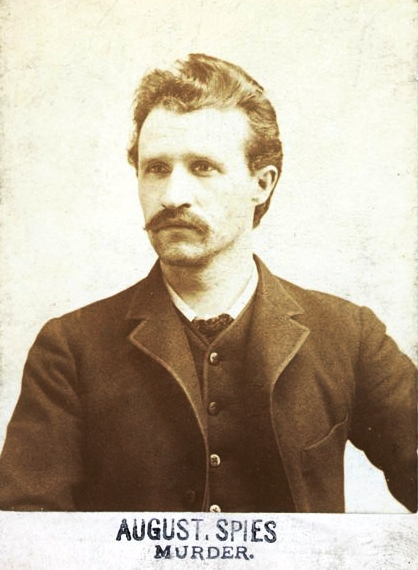
Challenge the system, and the system will destroy you.
TAKEAWAY
Industrial America was not built by neutral markets or heroic entrepreneurs alone. It was built through labor, exploitation, state power, and repression—and resisted by ordinary people who demanded dignity, fairness, and voice.
AFTER HAYMARKET: REPRESSION DID NOT STOP RESISTANCE


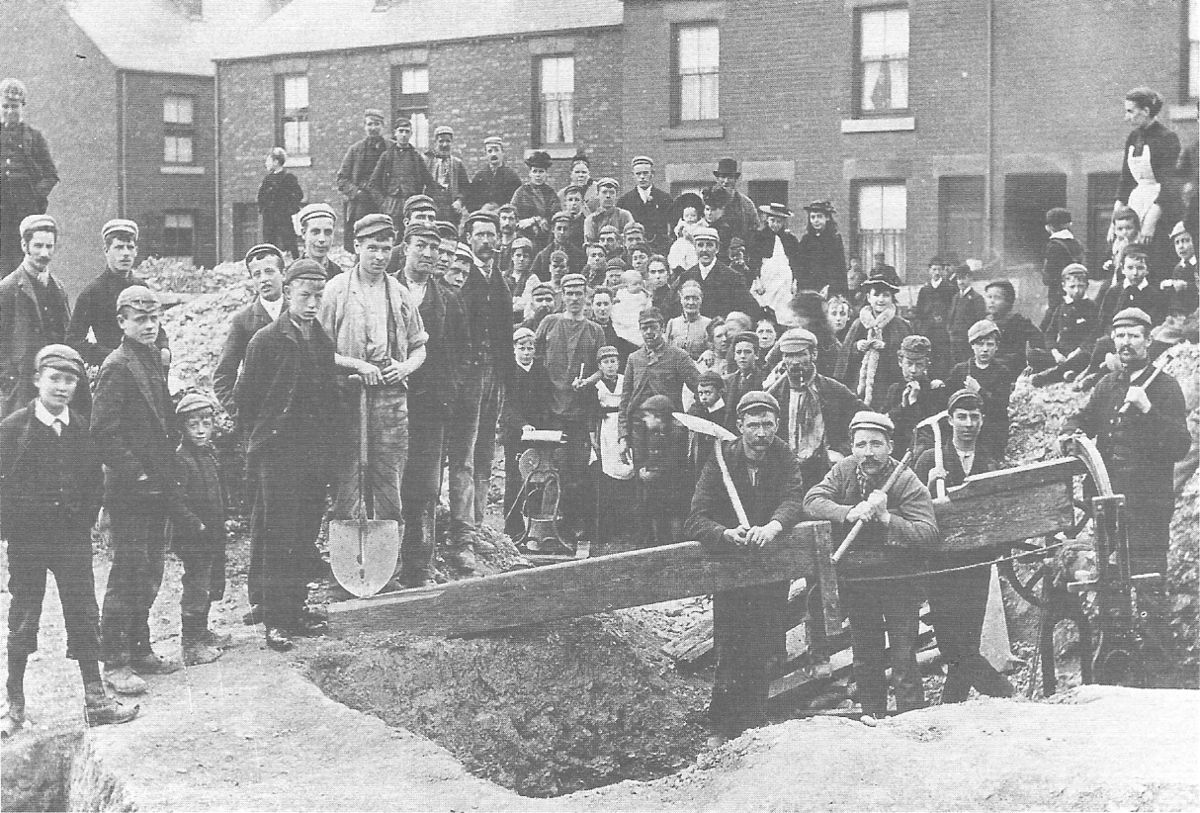
The Haymarket executions did not end labor organizing. They hardened it.Unions formed in the sugar fields of the South. In Louisiana, two Black strike leaders were arrested and then disappeared, never seen again. Armed confrontations followed. Strikers and company militias exchanged gunfire. Violence became routine—not because workers sought it, but because employers and local authorities enforced order with force. Coal miners struck in Tennessee. Mine owners responded by importing convict labor, leasing prisoners to break the strike. The miners seized the mines themselves, driving out guards and replacement workers. The state answered with troops.
HOMESTEAD: THE STATE CHOSE SIDES
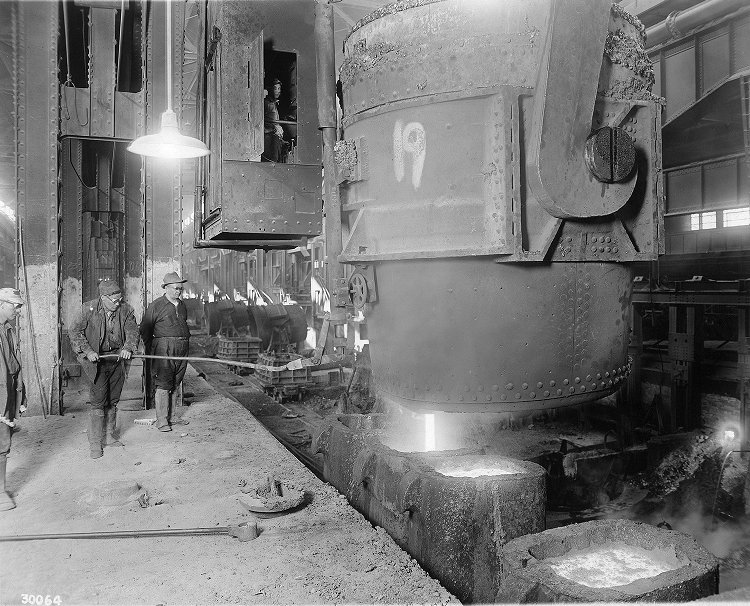

Steelworkers at Carnegie Steel Company struck at Homestead, Pennsylvania. Management hired armed strikebreakers to keep production running. Workers resisted. The conflict escalated. The government intervened—not as a neutral referee, but as an enforcer. Militia occupied the town, protected the plant, and broke the strike. Production resumed. The union collapsed. Homestead made the lesson unmistakable: When labor and capital clashed, the state stood with capital.
DEPRESSION AND DEBS: A WORKER MADE A MOVEMENT

The Depression of 1893 triggered a new wave of strikes. Railroad workers shut down lines across the country.
One organizer emerged from that struggle: Eugene V. Debs. Debs supported the strike openly. The government arrested him. Prison radicalized him. From that moment forward, Debs devoted his life to labor unions, socialism, and political organizing.

The system had created its own opposition.
FARMERS IN CRISIS: THE OTHER HALF OF THE WORKING CLASS


Farmers faced a different but related disaster.
- Machinery costs rose
- Railroad shipping fees increased
- Crop prices collapsed
Banks foreclosed. Families lost land passed down for generations. Farmers organized. They formed cooperative buying groups, pooled resources, and demanded laws that favored producers instead of banks and railroads. The Farmers’ Alliance gave birth to Populism—a movement rooted in the belief that ordinary people could build their own economic institutions.
AFTER HAYMARKET: REPRESSION DID NOT STOP RESISTANCE
The Haymarket executions did not end labor organizing. They hardened it.
Unions formed in the sugar fields of the South. In Louisiana, two Black strike leaders were arrested and then disappeared, never seen again. Armed confrontations followed. Strikers and company militias exchanged gunfire. Violence became routine—not because workers sought it, but because employers and local authorities enforced order with force.
Coal miners struck in Tennessee. Mine owners responded by importing convict labor, leasing prisoners to break the strike. The miners seized the mines themselves, driving out guards and replacement workers. The state answered with troops.
POPULISM: A THREAT TO CORPORATE POWER
Populists opposed monopolies—called “trusts”. They challenged capitalism as it existed. They demanded:
- Government control of railroad rates
- Limits on bank interest
- Protection against crop loss
- Economic cooperation over corporate profit
Some Black and white farmers argued openly for racial unity, insisting that poor agricultural workers shared the same enemy. Many white Populists prioritized economic injustice over race. But contradictions remained.
DIVISIONS BROKE THE POPULISTS


Many Populists opposed immigration from Southern and Eastern Europe and from Asia. Fear divided potential allies. The movement failed to unite:
- Black and white farmers
- Rural and urban workers
- Immigrants and native-born laborers
Seeking electoral success, Populists allied with the Democratic Party. Party leaders absorbed their energy—and neutralized it. The movement dissolved into conventional politics.
1896: MONEY, MEDIA, AND MANAGED DEMOCRACY

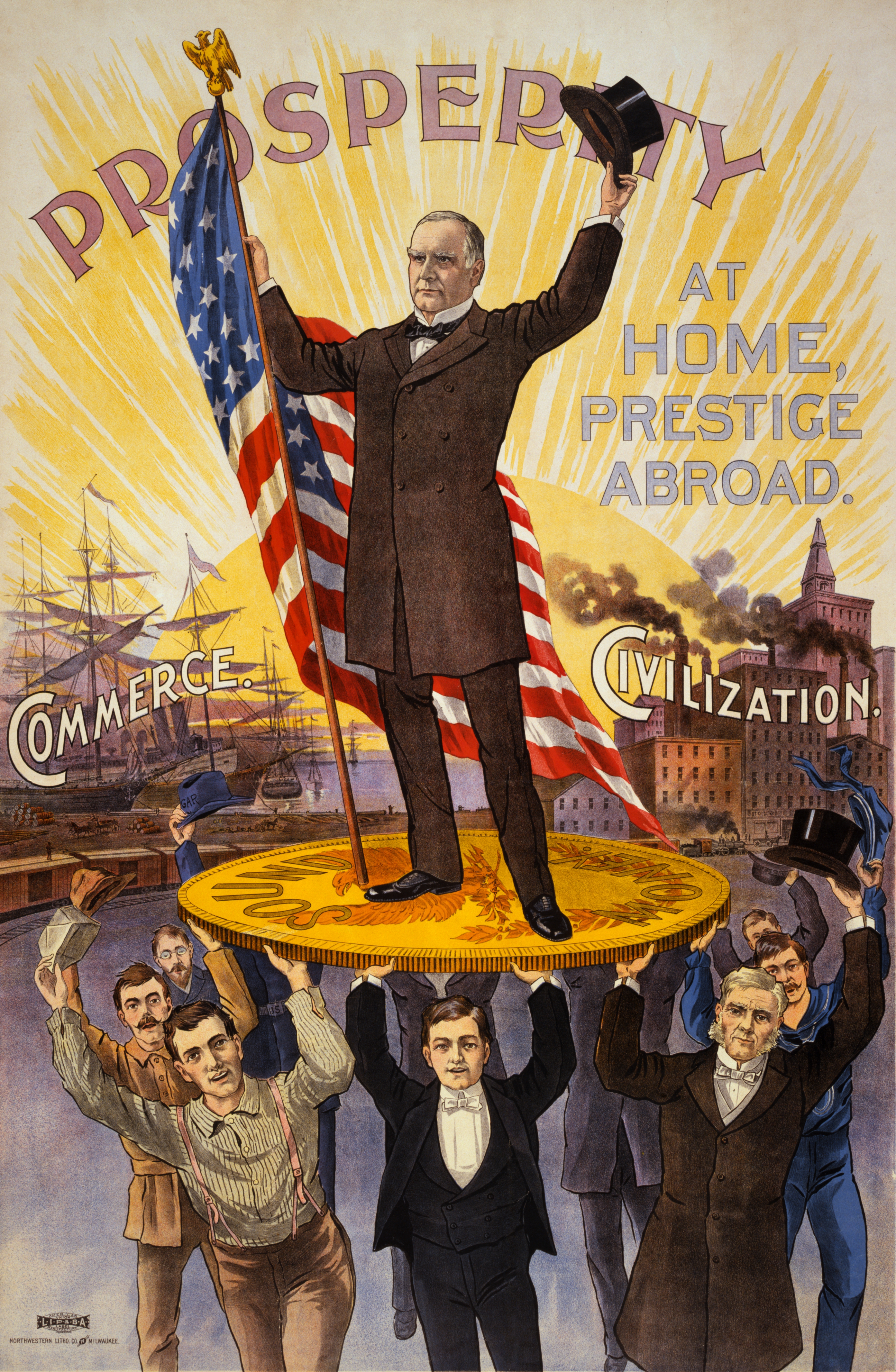

The 1896 election revealed the system’s final defense. Corporations and newspapers backed William McKINLEY. Massive sums flooded the campaign. McKinley won. Once in office, he appealed to patriotism, using national unity and flag-waving to drown out class anger. Economic inequality disappeared from public debate, replaced by nationalism. The pyramid remained intact. From Haymarket to Homestead, from Debs to the Populists, the pattern held:
- Workers organized
- Power responded with force
- Reform threatened elites
- Politics absorbed and defused resistance
Industrial America did not suppress dissent accidentally. It managed it.*Zinn, H. 2007, A Young People’s History of the United States, Seven Stories
#HaymarketMassacre #LaborMovement #LaborUnions #SugarPlantationStrikes #BlackLaborLeaders #TennesseeCoalMiners #ConvictLabor #CarnegieSteel #HomesteadStrike #StateMilitia #Strikebreakers #DepressionOf1893 #RailroadStrike #EugeneDebs #SocialistMovement #FarmersCrisis #FarmersAlliance #PopulistMovement #AntiMonopoly #Trusts #RailroadRates #BankInterestRates #CropInsurance #RacialUnity #ClassStruggle #ImmigrationBacklash #DemocraticPartyAlliance #ElectionOf1896 #WilliamMcKinley #CorporatePower #CampaignMoney #Nationalism #PatriotismAsControl #WealthInequality
Please share this post.


